

Sustainability · 2025
In this section48 topics
- Sustainability Policy3 items
- Sustainability Goals & UN SDGs1 item
- Policy Review2 items
- Business Value Chain1 item
- Stakeholder Analysis1 item
- Environmental Policy & Guidelines3 items
- Environmental Policy Review1 item
- Energy — Plan & Guidelines1 item
- Energy — Electricity Consumption1 item
- Energy — Fuel Consumption1 item
- Energy — Targets1 item
- Energy — Performance & Outcomes1 item
- Water — Plan & Guidelines1 item
- Water — Withdrawal, Discharge & Consumption1 item
- Water — Targets1 item
- Water — Performance & Outcomes1 item
- Waste — Plan & Guidelines1 item
- Waste — Generation, Disposal & Recycling1 item
- Waste — Targets1 item
- Waste — Performance & Outcomes1 item
- GHG — Plan & Guidelines1 item
- GHG — Emissions1 item
- GHG — Emissions Verification2 items
- GHG — Targets1 item
- GHG — Performance & Outcomes2 items
- Environmental Legal Incidents1 item
- Other Environmental Management1 item
- Social Policy & Guidelines3 items
- Social Policy Review1 item
- Human Rights Due Diligence1 item
- Employees — Plan & Guidelines3 items
- Employees — Workforce1 item
- Employees — Remuneration & Provident Fund1 item
- Employees — Training & Development1 item
- Employees — Occupational Health & Safety1 item
- Employees — Labour Relations1 item
- Employees — Employee Representation2 items
- Employees — Targets2 items
- Employees — Performance & Outcomes2 items
- Customers — Plan & Guidelines3 items
- Customers — Satisfaction Results1 item
- Customers — Targets2 items
- Customers — Performance & Outcomes2 items
- Community & Social — Plan & Guidelines3 items
- Community & Social — Targets1 item
- Community & Social — Performance & Outcomes2 items
- Other Social Management1 item
- Law Violation Incidents1 item
Sustainability Policy
Has a Sustainability Policy
Yes
Policy Description
3.1.1 Objectives, Goals, and Practices for Organizational Sustainability
The Company places great importance on conducting its business in alignment with the United Nations' Sustainable Development Goals (SDGs). Furthermore, it has integrated the principles of responsible business operations based on Environmental, Social, and Governance (ESG) considerations into its organizational practices. The Company emphasizes care and accountability towards all stakeholders across the economic, social, and environmental sectors with integrity and ethical conduct to enable efficient organizational management and sustainable growth in the future.
On November 7, 2024, at the Board of Directors meeting no. 4/2024, the Company's Sustainability Policy was approved. This policy serves as a guideline for the Company’s executives and employees to adhere to and actively contribute to the sustainability of the business and society as a whole. The policy focuses on practices in three key areas: environmental, social, and governance, as detailed below.
Environment | Social | Governance | |
Commitment to Sustainability | Promote the efficient and responsible use of resources at all levels within the organization through activities that reduce energy consumption and waste. | Commit to social and community responsibility by supporting activities that improve quality of life and foster new innovations, while providing services to customers with honesty and ensuring equal respect for human rights. | Conduct business with integrity, transparency, and strict compliance with the law, while emphasizing anti-corruption at all levels. |
Sustainability Practices |
|
|
|
Environmental
The Company encourages directors, executives, and employees to use resources sparingly, efficiently, and effectively. This includes exploring ways to reduce resource and energy usage, emphasizing energy conservation alongside environmental responsibility. Examples include reducing energy consumption, minimizing waste, and decreasing by-products. Additionally, the Company supports and promotes various environmental activities, such as training sessions or environmental conservation initiatives, to raise employees' environmental awareness and mitigate direct and indirect environmental impacts.
Social
The Company recognizes its responsibility to the community and society by supporting social assistance activities, improving the quality of life within communities, and fostering ongoing volunteer initiatives related to community and social development. The Company also promotes the creation of new innovations both within the organization and in collaborations with other organizations to drive positive change, enhance productivity, and maximize benefits for society.Moreover, the Company is committed to improving its services while treating customers responsibly, honestly, and attentively. The Company values customer feedback to enhance its offerings effectively. Human rights are a consistent priority, with an emphasis on equality and equal freedoms, avoiding violations of fundamental rights, and refraining from discrimination based on race, nationality, religion, language, skin color, gender, age, education, physical condition, or social status.
Governance
The Company is committed to conducting business ethically, fairly, transparently, and in a manner that is open to scrutiny. The Company prioritizes compliance with laws and regulations relevant to its business operations and does not support any actions that violate laws, good morals, or intellectual property rights.
Additionally, the Company firmly opposes corruption and requires directors, executives, and employees to act within the boundaries of laws and regulations. They must not engage in, facilitate, or condone any activities that violate or contravene legal or regulatory standards.
Further details on the Company's sustainability principles and practices can be found at: https://sirisoft.co.th/en/investor.html?policy
3.1.2 Review of Sustainability Policy
The Board of Directors will review the Company’s sustainability policy annually to provide recommendations for revisions or improvements as deemed appropriate to align with current circumstances.
3.1.3 Key Sustainability Issues
Process for Evaluating Key Sustainability Issues
Identifying Relevant Issues
The Company analyzes and conducts meetings with organizational executives to identify key sustainability issues that align closely with the Company’s context. This process includes benchmarking against issues prioritized by other companies within the same industry.
Prioritizing Key Sustainability Issues
The Company prioritizes sustainability issues based on information collected from stakeholders and executives. This prioritization process evaluates the issues from two main perspectives: their impact on stakeholders and their impact on the Company. To achieve a clear and comprehensive understanding, the Company employs various methods, such as stakeholder surveys (including customers, employees, investors, and communities) and executive interviews, to gather in-depth insights regarding sustainability concepts and perspectives.
Reviewing and Approving Key Issues
The identified key sustainability issues are presented to the Executive Committee for review and approval.
Prioritizing Sustainability Issues
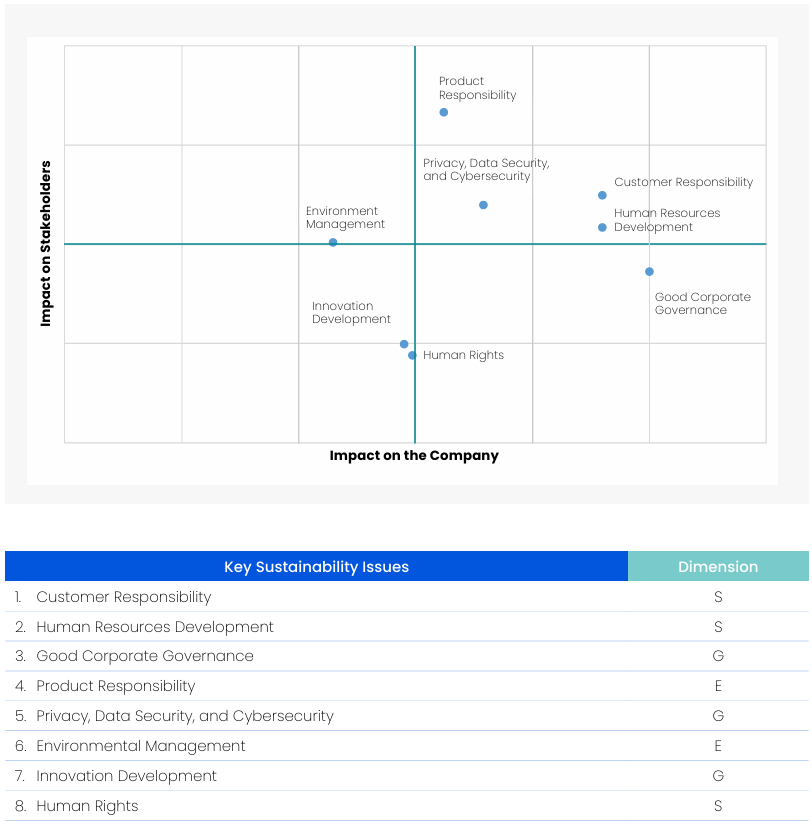
Stakeholders: Employees, Customers, Vendors, Investors, and Partners
Impact of Key Sustainability Issues
Key Sustainability Issues | Factors Impacting the Business | Factors Impacting Stakeholders |
| Builds trust in products and services, increases customer loyalty, and reduces potential legal risks from complaints. | Customers receive high-quality, safe products that meet standards, along with good service from the Company. |
| Increases work efficiency and employee potential, reduces turnover rate and costs of hiring new staff. | Employees have opportunities to develop skills and advance in their careers. Support for career growth leads to greater employee satisfaction and job stability. |
| Creates transparency within the organization, increases trust from investors and partners, and reduces the risk of fraud or legal actions. | Shareholders and business partners have confidence in the reliability and stability of the Company, which is effectively controlled and governed. |
| Prevents damage from substandard products or services and helps maintain the Company’s reputation. | Customers receive quality, safe products that comply with international standards. |
| Reduces the risk of cyberattacks and data breaches, strengthens trust in the brand. | Customers can trust that their personal information is securely stored and not misused, and that privacy breaches are prevented. |
| Reduces operational costs through efficient resource use and enhances the Company’s image as a sustainability leader. | Raises awareness about the responsible use of resources, helping to protect the environment in the long term. |
| Enhances business competitiveness and creates a market advantage by offering new products that meet customer needs. | Customers receive modern products and services that better meet their needs, creating opportunities for collaboration with partners to increase sales and business relationships. |
| Reduces the risk of human rights violations in business operations, enhances corporate social responsibility image. | Employees are treated equally and fairly, which builds trust among stakeholders. |
Policy Document Link
https://sirisoft.co.th/en/investor.html?policy
Sustainability Goals & UN SDGs
Has Sustainability Goals
No
Policy Review
Policy Reviewed This Year
No
Policy Changed This Year
No
Business Value Chain
Value Chain Description
1) Core Activities
1.1) Business Development and Marketing
Study market demand and analyze competitors to increase sales opportunities and develop products or services that effectively meet customer needs.
Communicate product and service information to the target audience through various channels such as online marketing, booth exhibitions, and partnerships with collaborators.
Provide consulting on IT system development to clients, including sourcing relevant technologies such as server systems and software licenses.
1.2) System Development, Installation, and Inspection
Plan and develop projects in collaboration with clients to achieve the defined objectives, including the development of quality IT systems and ensuring delivery on time and within budget.
Provide hardware installation services and supply technology licenses that match the scope of work, along with delivering source code and user manuals so that clients can maintain and further develop the systems.
Provide post-installation support services in line with the Maintenance Service Agreement (MA) to ensure continuous and quality system operation, including the inspection and assessment of IT and database system risks.
1.3) After-Sales Service
Provide warranty services after delivery as per the agreed conditions to ensure the quality of the system, with a support team available according to the Service Level Agreement (SLA) to promptly resolve customer issues.
Evaluate customer satisfaction and use feedback to improve services in future projects, while building strong relationships with customers through various activities.
Offer consulting services for ongoing or future projects.
2) Support Activities
2.1) Procurement
Select and assess new vendors with the potential for sustainable operations according to the established selection process, and register them in the Company’s Approved Vendor List. Also, assess risks and categorize key vendors to formulate strategies and development plans that align with the identified risks.
Develop fair, transparent, and verifiable procurement contracts while fostering good relationships with vendors (Vendor Relationship Management). Additionally, instill awareness among employees about transparent and fair procurement principles.
Establish criteria for assessing sustainability risks with vendors to support sustainable business operations at every stage of the business value chain.
2.2) Technology Development
Develop internal systems such as a Knowledge Center and collaborate with vendors to enhance skills and improve work efficiency within the organization.
2.3) Human Resource Management
Focus on recruiting individuals with the knowledge, skills, and qualifications suitable for the positions, and whose values align with the culture and goals of the Company.
Promote career growth opportunities for employees by:
Developing clear career paths.
Providing opportunities for employees to visualize tangible growth goals through training programs, activities, and support for obtaining certifications in relevant fields.
ffering knowledge on ESG to encourage participation in activities that support sustainability.
Enhancing continuous skill development and increasing employee engagement with the Company.
Reducing the loss of key personnel and fostering the long-term stability of the Company.
Provide appropriate benefits in compliance with labor laws, such as social security, vacation leave, and health insurance, to enhance satisfaction and build trust for sustainable collaboration between employees and the Company.
Foster a safe and eco-friendly working environment to ensure a secure and environmentally friendly workplace.
2.4) Corporate Governance
Draft and review customer and vendor contracts to ensure compliance with relevant laws and regulations.
Develop Standard Operating Procedures (SOP) to establish uniform work standards for all departments.
Assess the adequacy of the internal control system based on the COSO-IC framework of the Securities and Exchange Commission (SEC) to promote sustainable business operations alongside adherence to the Corporate Governance Code (CG Code) for listed companies.
Conduct internal audits according to the annual plan to review the effectiveness of internal control systems and report the findings to the management and the Board of Directors.
2.5) Infrastructure
Provide workplaces designed to LEED Gold standards with energy-efficient lighting, heating, and cooling systems, as well as advanced air filtration systems to promote employee health and comfort.
Employ information systems and cybersecurity measures to enhance operational efficiency and business security.
Utilize accounting software and Enterprise Resource Planning (ERP) systems to minimize errors, save time, and manage resources effectively.
Procure IT licenses to support office operations in alignment with business goals.
Stakeholder Analysis
Stakeholder Analysis
| Stakeholder Type | Stakeholders | Stakeholder Expectations | Response to Expectations | Communication Activities |
|---|---|---|---|---|
| Internal stakeholders | 2921 · Description: Employees | • Fair and appropriate compensation and benefits, including equal treatment.
• Career growth opportunities.
• Learning and skill development, both in professional and personal areas of interest.
| • Provide appropriate benefits for all genders and age groups.
• Establish fair and competitive compensation aligned with industry standards.
• Create an organizational structure that supports employee growth.
• Develop tailored learning plans for specific roles and career paths.
• Conduct fair and effective performance evaluations.
• Retain high-potential employees within the organization.
| 2941 · Description: Online Communication · 2946 · Description: Employee Engagement Survey · 2949 · Other name: Communication between supervisors and subordinates. · Description: Others · 2949 · Other name: Townhall meetings between the CEO and employees. · Description: Others |
| External stakeholders | 2923 · Description: Customers | • High-quality and efficient services that meet expectations.
• Timely delivery of products and services.
• Protection of trade secrets and personal data security.
| • Enhance the quality and efficiency of products and services.
• Establish clear service standards.
• Develop policies and provide employee training on protecting customer trade secrets.
• Maintain strong customer relationships.
| 2941 · Description: Online Communication · 2947 · Description: Satisfaction Survey · 2949 · Other name: Confidentiality agreements with customers. · Description: Others |
| External stakeholders | 2899 · Description: Suppliers | • Adherence to mutual agreements, transparent business practices, and anti-corruption measures, including fair procurement processes, contract negotiations, pricing, and payment terms.
• Timely and complete payment.
| • Develop sustainable procurement policies and practices for vendors.
• Provide training and knowledge on responsible business operations.
• Assess new vendors’ capabilities and qualifications, emphasizing business importance and sustainability.
• Ensure transparent and timely payment according to agreed terms.
| 2941 · Description: Online Communication |
| External stakeholders | 2900 · Description: Business partners | • Mutually beneficial outcomes between the Company and partners.
• Transparent and fair business practices without exploitation.
| • Develop strategies to create equitable and satisfactory benefits for both parties.
• Establish transparent and high-quality business agreements.
| 2943 · Description: External Meeting |
| External stakeholders | 2913 · Description: Shareholders |
• Sustainable business growth and strong financial performance.
• Competitive returns on investment.
• Accurate and timely disclosure of information.
• Transparent and accountable business practices in compliance with relevant laws and good governance principles.
| • Share important news and activities of the Company.
• Conduct activities to report business performance to investors and shareholders.
• Operate transparently and accountably in compliance with applicable laws and governance standards.
| 2944 · Description: Annual General Meeting (AGM) · 2945 · Description: Complaint Reception · 2949 · Other name: Investor relations activities. · Description: Others · 2949 · Other name: One report. · Description: Others |
Environmental Policy & Guidelines
Has an Environmental Policy
Yes
Policy Description
Product Responsibility
The Company is committed to developing high-quality products and services while considering environmental impacts throughout all stages of operations. The goal is to integrate environmental and social considerations into the development and delivery processes, supporting the Company’s long-term sustainability. As a result, the Company’s products and services are designed to effectively meet customer needs while reducing the consumption of natural resources and fostering the development of technologies that promote a sustainable future.
Approach and Management Policies
The Company places great importance on selecting reliable IT service providers and delivering products that are designed to help reduce resource consumption. This has a positive impact on the business, from internal process design to delivering value to consumers. Additionally, the Company prioritizes data security to ensure trust within business ecosystems.
Furthermore, the Company has improved and developed its service offerings and consultancy for corporate clients to enhance resource allocation efficiency. The following initiatives are presented to achieve this goal:
Cloud Infrastructure Setup: To increase efficiency and reduce costs in operational processes.
Automation Systems Installation: To simplify processes and increase accuracy.
Cybersecurity Development: To mitigate risks from cyber-attacks.
Dashboard Creation: To manage and analyze business data effectively.
Environmental Management
The Company supports the efficient use of resources through campaigns that encourage all employees to use energy responsibly. This initiative not only reflects our commitment to environmental and social responsibility but also helps reduce operational costs, creating long-term value and sustainability for the organization.
Approach and Management Policies
The Company conducts its operations with a focus on resource efficiency and environmental impact, aiming to meet the needs of society and all stakeholders, including employees, customers, partners, and shareholders. In line with this, the Company has developed a sustainability policy, which encompasses environmental management processes within its operations.
Environmental Guidelines
| Guideline |
|---|
| Electricity Management |
| Fuel Management |
| Water Management |
| Waste Management |
| Greenhouse Gas and Climate Change Management |
Environmental Policy Review
Policy Reviewed This Year
No
Energy — Plan & Guidelines
Has an Energy Management Plan
No
Energy — Electricity Consumption
Electricity Consumption
| Metric | Current Year | Previous Year | Two Years Ago |
|---|---|---|---|
| Total electricity consumption within the organization (Kilowatt-Hours) | 105,359 | 95,159.5 | 48,826.5 |
| Electricity purchased for consumption from non-renewable energy sources (Kilowatt-Hours) | |||
| Electricity purchased or generated for consumption from renewable energy sources (Kilowatt-Hours) |
Energy — Fuel Consumption
Fuel Consumption
| Metric |
|---|
| Crude oil (Barrels) |
| Coal (Metric tonnes) |
| Jet fuel (Litres) |
| Diesel (Litres) |
| Gasoline (Litres) |
| Fuel oil (Litres) |
| Natural gas (Standard cubic feet) |
| LPG (Kilograms) |
| Steam (Metric tonnes) |
Energy — Targets
Has Set Targets
No
Energy — Performance & Outcomes
Has Performance Results
No
Water — Plan & Guidelines
Has a Water Management Plan
No
Water — Withdrawal, Discharge & Consumption
Water Withdrawal, Discharge & Consumption
| Metric | Current Year | Previous Year | Two Years Ago |
|---|---|---|---|
| Total water withdrawal (Cubic meters) | 0.33 | 0.3 | 0.16 |
| Total water withdrawal by third-party water (Cubic meters) | |||
| Total water withdrawal by surface water (Cubic meters) | |||
| Total water withdrawal by groundwater (Cubic meters) | |||
| Total water withdrawal by seawater (Cubic meters) | |||
| Total water withdrawal by produced water (Cubic meters) | |||
| Percentage of wastewater treated before discharge (%) | |||
| Total water discharge (Cubic meters) | |||
| Total water discharge to third-party water (Cubic meters) | |||
| Total water discharge to surface water (Cubic meters) | |||
| Total water discharge to groundwater (Cubic meters) | |||
| Total water discharge to seawater (Cubic meters) | |||
| Total water consumption (Cubic meters) | 0.33 | 0.3 | 0.16 |
| Recycled water (Cubic meters) |
Water — Targets
Has Set Targets
No
Water — Performance & Outcomes
Has Performance Results
No
Waste — Plan & Guidelines
Has a Waste Management Plan
No
Waste — Generation, Disposal & Recycling
Waste Generation, Disposal & Recycling
| Metric | Current Year | Previous Year | Two Years Ago |
|---|---|---|---|
| Total waste generated (Kilograms) | 3,652 | 5,905 | 4,909 |
| Non-hazardous waste (Kilograms) | |||
| Non-hazardous waste - Landfilling (Kilograms) | |||
| Non-hazardous waste - Incineration (with energy recovery) (Kilograms) | |||
| Non-hazardous waste - Incineration (without energy recovery) (Kilograms) | |||
| Non-hazardous waste - Other disposal operations (Kilograms) | |||
| Hazardous waste (Kilograms) | |||
| Hazardous waste - Landfilling (Kilograms) | |||
| Hazardous waste - Incineration (with energy recovery) (Kilograms) | |||
| Hazardous waste - Incineration (without energy recovery) (Kilograms) | |||
| Hazardous waste - Other disposal operations (Kilograms) | |||
| Total reused/recycled waste (Kilograms) | |||
| Reused/Recycled non-hazardous waste (Kilograms) | |||
| Reused non-hazardous waste (Kilograms) | |||
| Recycled non-hazardous waste (Kilograms) | |||
| Reused/Recycled hazardous waste (Kilograms) | |||
| Reused hazardous waste (Kilograms) | |||
| Recycled hazardous waste (Kilograms) |
Waste — Targets
Has Set Targets
No
Waste — Performance & Outcomes
Has Performance Results
No
GHG — Plan & Guidelines
Has a GHG Management Plan
No
GHG — Emissions
GHG Emissions
| Metric | Current Year | Previous Year | Two Years Ago |
|---|---|---|---|
| Total GHG emissions (Metric tonnes of carbon dioxide equivalent) | 67 | 73 | 57 |
| Total greenhouse gas emissions 1 (Metric tonnes of carbon dioxide equivalent) | 6 | 9 | 16 |
| Total greenhouse gas emissions 2 (Metric tonnes of carbon dioxide equivalent) | 51 | 48 | 25 |
| Total greenhouse gas emissions 3 (Metric tonnes of carbon dioxide equivalent) | 10 | 16 | 16 |
GHG — Emissions Verification
Emissions Verified by a Third Party
Yes
Verifying Body
3285
GHG — Targets
Has Set GHG Targets
No
GHG — Performance & Outcomes
Has Performance Results
Yes
Performance Description
Climate change is widely recognized as one of the most pressing global challenges, with significant impacts on ecosystems, economies, and communities around the world. This crisis is largely driven by human activities that generate greenhouse gas (GHG) emissions, leading to global warming and causing significant impacts on the environment and the well-being of communities. As a result, countries worldwide have collaborated to establish measures aimed at reducing greenhouse gas emissions across all sectors, including international cooperation, government initiatives, private sector organizations, and public participation.
The Company recognizes the importance of addressing climate change and places strong emphasis on managing and reducing greenhouse gas emissions. Accordingly, the Company prioritizes environmental management practices that encompass the efficient use of water and electricity, as well as proper waste and waste disposal management within the organization.
To address this issue, the Company began collecting and monitoring its greenhouse gas emissions data in 2021. In 2025, the Company engaged Vekin (Thailand) Co., Ltd. (“VEKIN”), a verifier registered with the Thailand Greenhouse Gas Management Organization (Public Organization) (“TGO”), to conduct the verification of the Company’s greenhouse gas emissions inventory. The Company’s carbon footprint has subsequently been reviewed and registered with TGO.
Based on the verification results, the Company’s greenhouse gas emissions for the period 2023–2025 are summarized as follows.
Greenhouse Gas Emissions Source | Greenhouse Gas Emissions (Unit: TonCO2e) | ||
2023 | 2024 (Base Year) | 2025 | |
Scope 1 | 16 | 9 | 6 |
Scope 2 | 25 | 48 | 51 |
Scope 3 | 16 | 16 | 10 |
Total (Scope 1+2) | 41 | 57 | 57 |
Total (Scope 1+2+3) | 57 | 73 | 67 |
Categories of Greenhouse Gas Emissions
Scope 1: Direct greenhouse gas (GHG) emissions from the Company’s fuel consumption, including oil combustion and
refrigerant leakage (e.g., water dispensers, refrigerators, and air conditioners).
Scope 2: Indirect GHG emissions from purchased electricity used within the Company, supplied by the Metropolitan
Electricity Authority.
Scope 3: Other indirect GHG emissions from fuel and energy-related activities, waste management, sanitary landfill
disposal, outsourced document delivery services, and public transportation.
A comparison of the Company’s greenhouse gas (GHG) emissions between 2024 and 2025 shows certain changes across the emission scopes. Scope 2 emissions increased from 48 tonCO2e to 51 tonCO2e, primarily due to higher electricity consumption during the year, which was in line with the expansion of the Company’s operational activities.
At the same time, Scope 1 emissions decreased from 9 tonCO2e to 6 tonCO2e, while Scope 3 emissions decreased from 16 tonCO2e to 10 tonCO2e compared to the previous year.
The change in Scope 3 emissions was partly attributable to the Company’s enhancement of its greenhouse gas emissions assessment and source identification process in 2025. During the year, the Company implemented a more systematic evaluation by assessing the magnitude (or size) of emissions in order to determine the significance of each emission source, taking into consideration the scale of emissions, potential impacts, and relevance to the Company’s business operations.
Based on this assessment, the Company identified Fuel and Energy-related Activities as the emission source that is most relevant and significant to the Company’s operations. Accordingly, the Company has included this category in the current year’s disclosure in order to ensure that the reporting of greenhouse gas emissions appropriately reflects the Company’s operational characteristics and enhances the transparency of its environmental disclosures.
Environmental Legal Incidents
Legal Violation Incidents
| Metric | Current Year | Previous Year | Two Years Ago |
|---|---|---|---|
| Number of cases or incidents of legal violations or negative environmental impact (cases) | 0 | 0 | 0 |
Other Environmental Management
Plan Description
The Company reduced office paper purchases by 2.5% compared to the 2024 baseline and promoted increased use of electronic documents.
The Company has continuously conducted awareness campaigns to promote energy efficiency among employees. These campaigns have been implemented through online channels to encourage employees to switch off lights and unplug electrical appliances when not in use, contributing to a reduction in the Company's energy costs.
The Company promoted environmental responsibility by selecting appreciation gifts for customers and business partners from organizations that upcycle recycled materials, such as Agora, which produces woven bags made from recycled materials inspired by traditional Thai mat patterns. This initiative aims to raise environmental awareness through meaningful gifts presented to more than 250 f the Company’s valued customers and partners.
To create a healthy working environment and support employee well-being, the workplace building is designed according to LEED Gold (Leadership in Energy and Environmental Design) standards. LEED is an internationally recognized green building certification system that promotes sustainability in four main areas: energy conservation, water efficiency, indoor environmental quality, and waste management during both construction and operational phases. The AIA Capital Center building complies with these standards and has the following key features:
Energy Efficiency: The building's lighting and cooling systems are equipped with energy-saving technologies, such as automatic light sensors that reduce electricity consumption when natural light is sufficient, and LED lighting for improved energy performance.
Water Efficiency: Water-saving fixtures, such as low-flow faucets and toilets, are installed to minimize overall water consumption within the building.
Indoor Environmental Quality: The use of low-emission materials for interior finishes, along with high-quality air filtration systems, helps reduce indoor air pollution in the workplace.
Greenhouse Gas Emissions Reduction: The building's design reflects sunlight to reduce energy use from air conditioning, and locally sourced construction materials are used to reduce the carbon footprint associated with transportation.
Employees — Plan & Guidelines
Has an Employee Management Plan
Yes
Plan Description
Fair Labor Practices
The Company promotes a positive work environment that encourages teamwork and employee well-being. It upholds fair labor practices by ensuring equality and non-discrimination in all aspects, including recruitment, compensation, legally mandated benefits, promotions, training, and employee development without distinction based on gender, age, educational background, race, or religion. Additionally, the Company actively supports the employment of underprivileged groups, such as persons with disabilities and the elderly, to create stable career opportunities and sustainable income, aligning with the Company’s commitment to sustainable development.
In 2024, the Company established an Employee Welfare Committee through an employee-elected process. This committee consists of representatives from various departments, with official rights and responsibilities from July 5, 2024, to July 4, 2026. The committee plays a crucial role in representing employees by proposing, discussing, and reviewing welfare plans provided by the Company. This ensures that employee benefits align with fair labor standards and effectively meet employee needs.
The establishment of this committee is expected to bring positive outcomes, including enhanced transparency in welfare management and increased employee confidence that their benefits are fairly and appropriately managed.
Human Resource Development
The Company places great importance on employee development, recognizing that human capital is a critical factor in driving continuous and sustainable organizational growth. Enhancing employees’ skills, knowledge, and expertise in products and services not only improves service quality but also supports career path. This, in turn, strengthens employee engagement and long-term commitment to the Company. In addition to internal workforce development, the Company also prioritizes an effective talent acquisition process by recruiting individuals with the necessary skills, knowledge, and competencies that align with job requirements. Moreover, the Company seeks candidates whose values align with the corporate culture, ensuring that new hires can adapt seamlessly and contribute to team success efficiently.
However, if employees do not receive adequate skill development or opportunities to learn new knowledge, their work performance may decline. This could disrupt business processes, impact customer satisfaction, and weaken the Company's competitive position in the market. Therefore, investing in employee training and development not only enhances work quality but also promotes organizational sustainability and meets stakeholder expectations across all aspects of the business.
In 2026, the Company plans to enhance the efficiency of its employee training processes to better align with its corporate strategy. The key objectives of this initiative are as follows:
To develop a pool of high-potential employees (Talent).
To develop mid-level leadership to improve their ability to execute and operationalize the company’s strategic direction.
To prepare employees to effectively adapt to future changes.
To enhance the Company’s competitiveness in the market.
To support long-term sustainable growth.
Employee Attraction, Retention, and Well-being
Attracting and retaining high-quality employees is one of the key challenges for organizations in today's dynamic work environment. Creating a workplace that fosters employee well-being not only enhances work efficiency but also strengthens long-term engagement and job satisfaction.
To achieve this, the Company implements various initiatives, including promoting physical and mental well-being, providing competitive benefits, and fostering an open and inclusive corporate culture. These efforts ensure that employees feel a sense of belonging and actively contribute to the Company’s success.
Occupational Health, Safety, and Work Environment
The Company prioritizes occupational health, safety, and the work environment, aiming to mitigate risks and create a safe, clean, and efficient workplace. To achieve this, the Company has implemented various measures and provided necessary facilities, including:
The Company conducts annual fire drill training to ensure that employees are well-informed on how to respond in emergency situations such as fires or evacuations. This training familiarizes employees with emergency exits and evacuation procedures, reducing panic and enhancing workplace safety in critical situations.
Clearly visible fire exit signs and fire extinguishing equipment are installed throughout the workplace. Fire extinguishers are strategically placed in compliance with safety standards, ensuring they are readily available for immediate use when needed.
The Company has placed first aid kits along with clear usage instructions in all necessary areas, allowing employees to quickly access basic first aid supplies in case of minor workplace incidents.
Routine pest control measures are implemented to maintain workplace hygiene and prevent disruptions caused by insects or disease-carrying pests. This initiative contributes to a clean and healthy work environment, enhancing employee well-being and productivity.
Plan Areas
| Plan Area |
|---|
| Fair employee compensation |
| Employee training and development |
| Promoting employee relations and participation |
| Occupational health and safety in workplace |
Employees — Workforce
Workforce Data
| Metric | Current Year | Previous Year | Two Years Ago | Remark |
|---|---|---|---|---|
| Total number of employees (Persons) | 330 | 270 | 298 | |
| Number of male employees (Persons) | 183 | 150 | 162 | |
| Number of female employees (Persons) | 147 | 120 | 136 | |
| Total employment of disabled persons (people) | 2 | 2 | 0 | |
| Total disabled employees (people) | 2 | 2 | 0 | |
| Total male disabled employees (people) | 1 | 1 | 0 | |
| Total female disabled employees (people) | 1 | 1 | 0 | |
| Total disabled workers who are non-employee (people) | 0 | 0 | 0 | |
| Contributions to the fund for promoting and improving the quality of life for disabled persons | 0 | 0 | 0 | |
| Total number of male employees in operational level (Persons) | 163 | 132 | 153 | |
| Total number of male employees in management level (Persons) | 20 | 18 | 9 | |
| Total number of male employees in executive level (Persons) | 0 | 0 | 0 | Male employees in management level 2023: 3 persons 2024: 4 persons 2025: 5 persons |
| Total number of female employees in operational level (Persons) | 139 | 115 | 131 | |
| Total number of female employees in management level (Persons) | 8 | 5 | 5 | |
| Total number of female employees in executive level (Persons) | 0 | 0 | 0 | Female employees in management level 2023: 2 persons 2024: 2 persons 2025: 2 persons |
Employees — Remuneration & Provident Fund
Remuneration & Provident Fund
| Metric | Current Year | Previous Year | Two Years Ago | Remark |
|---|---|---|---|---|
| Total disabled employees (people) | 226,350,000 | 183,830,000 | 153,580,000 | |
| Total male employee remuneration (Baht) | ||||
| Total female employee remuneration (Baht) | ||||
| Number of employees eligible to participate in PVD (persons) | 250 | 217 | 217 | |
| Total number of employees joining employee provident fund (Persons) | 126 | 120 | 121 | Employees of the Company and its subsidiaries |
| Percentage of total number of employees joining employee provident fund to total number of employees (%) | 38.18 | 44.44 | 40.6 | |
| Number of PVD members / Total eligible employees (%) | 50.4 | 55.3 | 55.76 | |
| Total amount of provident fund contributed by the Company (Baht) | ||||
| Total amount of provident fund contributed by employee (baht) |
Employees — Training & Development
Training Data
| Metric | Current Year | Previous Year | Two Years Ago |
|---|---|---|---|
| Average employee training hours (Hours / Person / Year) | 30 | 30 | 24 |
| Employee development and training expenses (baht) | 1,180,000 | 1,910,000 |
Employees — Occupational Health & Safety
Occupational Health & Safety Data
| Metric | Current Year | Previous Year | Two Years Ago |
|---|---|---|---|
| Total number of lost time injury incidents by employees (Cases) | 0 | 0 | 0 |
Employees — Labour Relations
Labour Relations Data
| Metric | Current Year | Previous Year | Two Years Ago |
|---|---|---|---|
| Total voluntary resignations (Persons) | |||
| Male employees who voluntary resigned (Persons) | |||
| Female employees who voluntary resigned (Persons) | |||
| Percentage of employee turnover leaving the Company voluntarily (%) | 35 | 39 | 26 |
| Evaluation result of employee engagement | 0 | 0 | 1 |
Employees — Employee Representation
Employees Are Represented Collectively
Yes
Forms of Representation
| Form |
|---|
| Welfare committee |
Employees — Targets
Has Set Employee Targets
Yes
Targets
| Indicator | Target Areas | Base Year | Base Year — Description | Target Year | Target Year — Description |
|---|---|---|---|---|---|
| Average number of training hours per employee per year | 2984 · Description: Employee training and development | 2,025 | The average annual training hours per employee shall be not less than 30 hours per person per year. | 2,026 | The average annual training hours per employee shall be not less than 25 hours per person per year. |
| Total number of training courses arranged for employees | 2984 · Description: Employee training and development | 2,025 | Provide employees with no fewer than 12 training courses per year. | 2,026 | Provide employees with no fewer than 12 training courses per year. |
| Percentage of engineers who have obtained certificates relevant to their functional competencies. | 2984 · Description: Employee training and development | 2,025 | At least 30% of engineering staff shall obtain certificates that align with their job‑related competencies | 2,026 | At least 30% of engineering staff shall obtain certificates that align with their job‑related competencies |
Employees — Performance & Outcomes
Has Performance Results
Yes
Performance Description
Employee Development
The Company places importance on the continuous development of its personnel by supporting training programs, activities, and professional certifications in relevant fields to enhance employees’ capabilities and ensure effective performance.
In 2025, the Company organized 60 in-house training courses and 43 public training courses to promote continuous learning alongside practical work experience. The in-house programs covered both soft skills and technical skills. Key programs included the Leadership Program, which strengthened management competencies such as team leadership, coaching, feedback, motivation, critical thinking, growth mindset, and problem-solving.
Technical training focused on project-related knowledge and emerging technologies, including Agile & Scrum, JIRA, Power Automate, and Power BI. The Company also encouraged internal knowledge sharing across teams, averaging 19.48 training hours per person per year, and provided updates on AI trends through programs such as “AI Landscape & Strategic Opportunities for Business.”
These training programs equip employees to adapt effectively to technological changes, boost confidence in their roles, and enhance overall organizational capabilities. Furthermore, the Company integrates employee development into the Performance Evaluation Process, such as implementing a Learning Path for new employees. This initiative helps employees quickly and effectively understand their roles and responsibilities through self-learning via online platforms, mentorship programs, and job-related training. A key performance indicator for employee development is obtaining Certifications in relevant fields, which serves as an evaluation factor reflecting professional growth and continuous skills enhancement. This reinforces the Company’s commitment to fostering employee potential.
When analyzing the employee training data from the past year, participation in various training formats is categorized as follows:
No. | Training Format | Total Training Hours per Year |
1 | In-House Training | 5,580 |
2 | Product Training | 418 |
3 | Public Training | 139 |
4 | E-Learning | 844 |
5 | Certification Examination Preparation Training | 762 |
6 | Seminar Participation | 209 |
Employee Attraction, Retention, and Well-being
Employee Engagement Activities
The Company organized various activities throughout the year to strengthen employee relationships and foster a positive working environment. These included annual merit-making ceremonies, Chinese New Year celebrations, and year-end staff appreciation events, as well as internal engagement activities such as art workshops, e-sports competitions, and quiz games.
These initiatives provided opportunities for employees to interact, exchange ideas, and build stronger connections across teams, contributing to a warm atmosphere and positive relationships within the organization.
Employee Health and Well-being
The Company places importance on employees’ health, particularly issues arising from work characteristics and the working environment. The key measures implemented are as follows:
Providing relaxation massage services by visually impaired therapists three days a week to help alleviate office syndrome
Arranging ergonomic chairs to support proper posture and reduce spinal pressure
Supporting annual health check-ups to promote health awareness and long-term preventive care
Providing annual influenza vaccinations to reduce the risk of seasonal outbreaks and illness from influenza infection
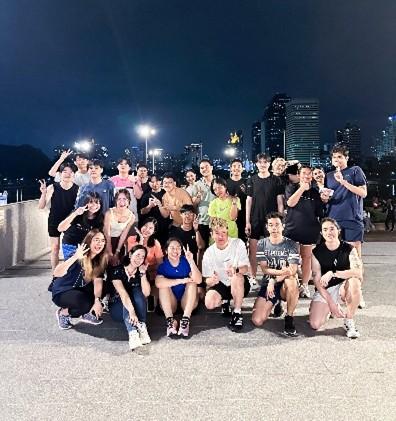
Encouraging physical activities, such as organizing after-work running groups
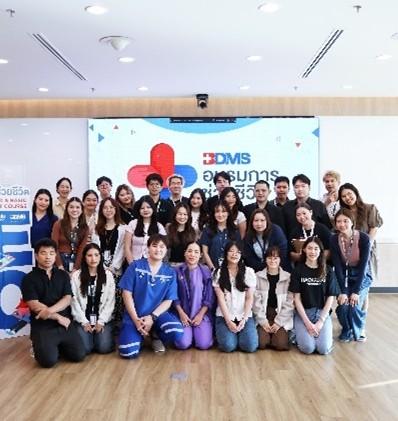
Conducting first aid training programs
These initiatives reflect the Company’s commitment to comprehensive employee health care and enhancing quality of life in the workplace. The Company believes that fostering employee satisfaction and engagement enables employees to grow alongside the organization and supports sustainable business advancement.

Human Rights
In 2025, no human rights violations were identified in the Company’s operations, including issues related to child labor and forced labor within the organization and its supply chain.
The gender ratio within the Company remains balanced, with male employees accounting for 55% and female employees 45%. This reflects the Company’s commitment to promoting gender equality in employment, ensuring non-discrimination, providing equal access to benefits, and offering all employees opportunities for career growth within the organization.
Customers — Plan & Guidelines
Has a Customer Management Plan
Yes
Plan Description
The Company places great importance on its responsibility to customers, who are key stakeholders. Delivering high-quality products and services that meet customer expectations, along with ensuring transparent and secure customer data management, are critical factors in fostering trust and maintaining long-term relationships with customers. These efforts contribute to the Company’s business sustainability.
The Company has implemented the following management approaches to enhance customer responsibility, with a focus on building trust and fostering long-term relationships:
Providing High-Quality Products and Services
Develop and deliver products and services that meet customer needs and expectations.
Provide accurate, clear, and non-misleading information to enhance customer confidence.
Provide services under the quality management system in accordance with ISO 9001:2015to control work process quality and continuously enhance service standards.
Manage information security under the Information Security Management System (ISMS) in accordance with ISO/IEC 27001:2022 to protect customer data and information related to service delivery.
Ensuring Transparent and Accessible Information
Disclose comprehensive information about products and services, including pricing, features, and terms, to support informed customer decision-making.
Enhancing Customer Engagement and Satisfaction
Foster positive customer relationships through effective communication and responsive service.
Respecting Customer Privacy and Data Protection
Protect customers' personal data in strict compliance with relevant regulations, such as the Personal Data Protection Act (PDPA).
Plan Areas
| Plan Area |
|---|
| Responsible production and services for customers |
| Communication of product and service impacts to customers/consumers |
| Development of customer satisfaction and customer relationship |
| Protection of customer personal information |
Customers — Satisfaction Results
Customer Satisfaction Results
| Metric | Current Year | Previous Year | Two Years Ago |
|---|---|---|---|
| Evaluation results of customer satisfaction | 1 | 1 | 0 |
Customers — Targets
Has Set Customer Targets
Yes
Targets
| Indicator | Target Areas | Base Year | Base Year — Description | Target Year | Target Year — Description |
|---|---|---|---|---|---|
| Customer data breach complaints | 3010 · Description: Consumer data privacy and protection | 2,025 | Ensure that complaints related to customer data breaches do not exceed three cases per year. | 2,026 | Ensure that complaints related to customer data breaches do not exceed three cases per year. |
| Complaints about product and service quality | 3007 · Description: Responsible production and services for customers | 2,025 | Ensure that complaints regarding product and service quality do not exceed three cases per year. | 2,026 | Ensure that complaints regarding product and service quality do not exceed three cases per year. |
| Customer satisfaction rate | 3009 · Description: Development of customer satisfaction and customer relationship | 2,025 | Maintain a customer satisfaction rate of at least 75% | 2,026 | Maintain a customer satisfaction rate of at least 75% |
Customers — Performance & Outcomes
Has Performance Results
Yes
Performance Description
The Company has implemented personal data protection measures in accordance with its Information Technology Policy and Personal Data Protection Policy, both of which are publicly available on the Company’s website (https://www.sirisoft.co.th/en/investor.html?policy) to ensure accessibility for customers and stakeholders.
The Company has established Non-Disclosure Agreements (NDAs) with customers to ensure confidentiality and prevent the unauthorized disclosure of information that could impact both parties.
The Company has implemented Data Processing Agreements (DPA) with customers to manage personal data in compliance with applicable legal requirements, emphasizing transparency and adherence to regulatory principles.
The Company has conducted PDPA training programs to enhance employees’ knowledge and understanding of relevant laws, regulations, policies, and best practices. This initiative fosters
a corporate culture that prioritizes personal data protection and information security. All employees have participated in the training and successfully completed the required assessments.During the Pre-kickoff Meeting, the Company requires an assessment of risks related to data security and personal data protection to identify and evaluate potential risks that may arise from project execution. This process includes defining appropriate control measures and preventive actions, thereby enhancing risk management, building confidence among customers and all stakeholders, and supporting project operations in accordance with good corporate governance principles and applicable laws.
The Company has established a systematic management approach for controlling access to business contract information by implementing Role-based Access Control (RBAC). This ensures that access rights are assigned based on duties and responsibilities, protects critical information, reduces the risk of unauthorized access or disclosure, and strengthens information security in alignment with good corporate governance principles and relevant legal requirements.
The Company has undertaken the "Project Closure" initiative, facilitating knowledge exchange between teams and customers. This initiative focuses on evaluating project success and learning from challenges to improve processes and collaboration in future projects.
In 2025, no complaints were reported regarding customer data breaches or the quality of products and services.
Community & Social — Plan & Guidelines
Has a Community & Social Plan
Yes
Plan Description
The Company is committed to creating and developing communities to grow sustainably alongside its business.
The Company strongly believes that these initiatives will play a key role in driving positive changes in society and the environment. The Company places great emphasis on the participation of all stakeholders, ranging from promoting educational opportunities and environmental conservation to enhancing well-being. Additionally, the Company aims to continuously develop and expand these projects each year to ensure sustainability and long-term stability in the future.
Sustainable Supply Chain Management
The Company is committed to conducting business with environmental and social responsibility throughout its operations and supply chain. This approach is essential for fostering trust and confidence among customers and all stakeholders. As part of this commitment, the Company has developed a Stakeholder Impact Management Policy for its value chain, which is publicly available on the Company's website at: https://www.sirisoft.co.th/en/investor.html?policy
Currently, the Company is in the process of compiling and developing a Supplier Code of Conduct to ensure that its procurement and sourcing processes adhere to principles of transparency, fairness, and social responsibility. The Company expects to officially implement this Supplier Code of Conduct in 2026.
Plan Areas
| Plan Area |
|---|
| Employment and professional skill development |
| Sports and recreation |
| Occupational health, safety, health, and quality of life |
| Disadvantaged and vulnerable groups |
| Reducing inequality and promoting social equality |
Community & Social — Targets
Has Set Community & Social Targets
No
Community & Social — Performance & Outcomes
Has Performance Results
Yes
Performance Description
The Company group supported the development of underprivileged children and youth by donating educational materials, daily necessities, and developmental supplies to the Ban Nok Kamin Foundation. This initiative aimed to enhance their quality of life and promote access to education, which serves as a fundamental foundation for long-term social development.
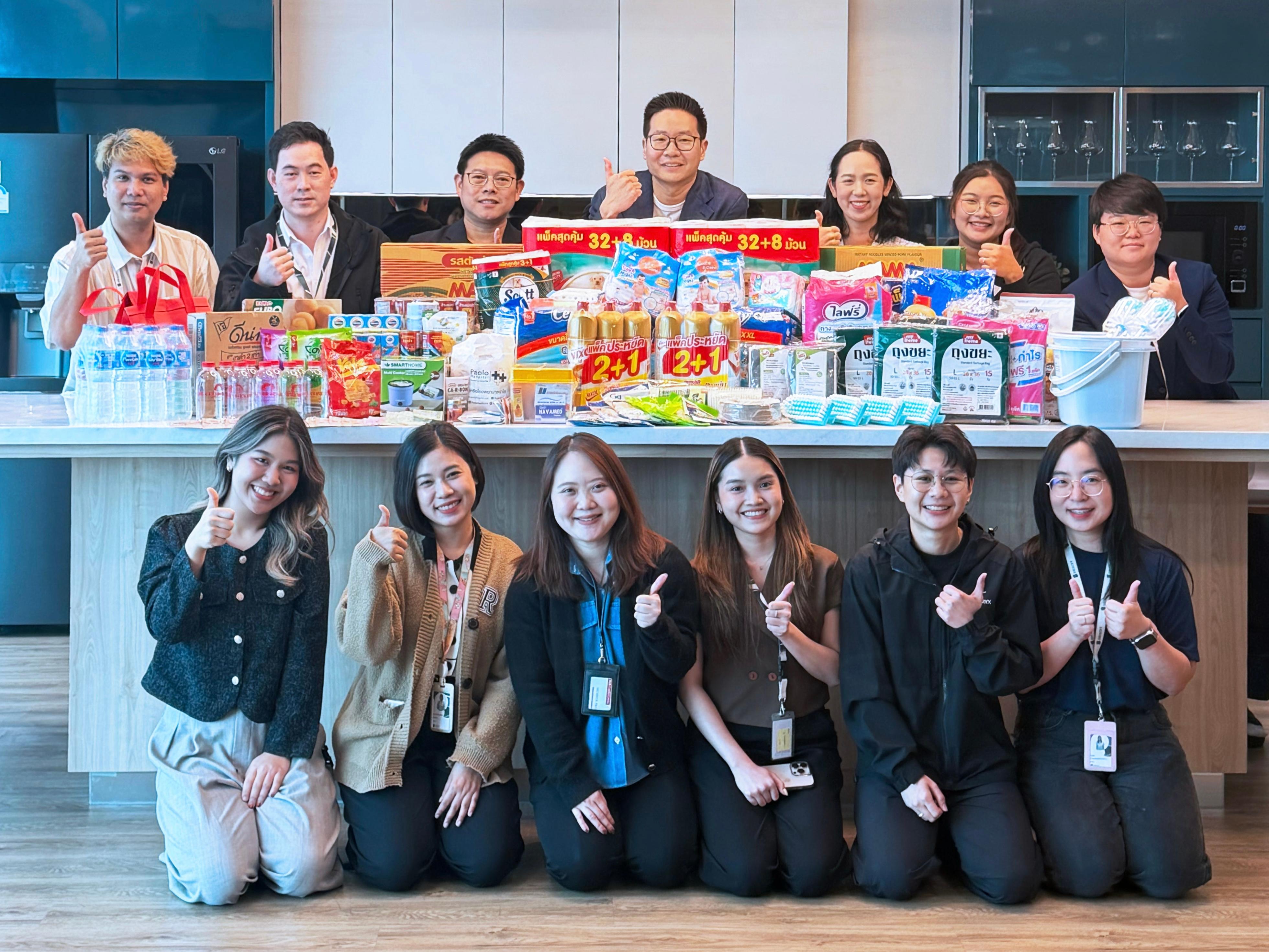
The Company group participated in alleviating the hardships of disaster victims by delivering essential supplies, including dry food, drinking water, survival kits, and other basic necessities, through the Ejan page to ensure that assistance could reach affected areas promptly. The Company group also extended encouragement and support to those impacted during difficult times.
The “SirisoftXArtstory By Autistic Thai” project was organized to support and enhance the capabilities of children and youth under the Autistic Thai Foundation through the creation of artwork as special gifts for the Company’s valued customers. The project showcases their unique creativity and reflects the concept of Inclusivity & Human centric Technology. Each piece, filled with vibrant colors and heartfelt effort, carries meaning beyond its beautiful design.
Business Impact: The Company further developed the artworks created by the children and youth from the Autistic Thai Foundation into 250 gift sets, which were presented to 250 valued customers and business partners. This initiative not only strengthened relationships between the Company and its stakeholders but also earned positive recognition from corporate clients, who appreciated the Company's commitment to social responsibility and the creation of meaningful, functional gifts. Moreover, this project enhanced the Company’s corporate social responsibility (CSR) image, positioning it as an organization that actively contributes to society.
Other Social Management
Plan & Outcomes — Description
1) Good Corporate Governance
The Company places great importance on good corporate governance as a fundamental pillar of sustainable business operations. It emphasizes transparency, ethical business conduct, and legal compliance to build trust among all stakeholders. To uphold these principles, the Company has established a Corporate Governance Policy in accordance with the Corporate Governance Code for Listed Companies 2017, as prescribed by the Securities and Exchange Commission (SEC), Thailand. This policy encompasses eight key principles as follows:
Principle 1 Establish Clear Leadership Role and Responsibilities of the Board
Principle 2 Define Objectives that Promote Sustainable Value Creation
Principle 3 Strengthen Board Effectiveness
Principle 4 Nomination and Development of CEO and People Management
Principle 5 Nurture Innovation and Responsible Business
Principle 6 Strengthen Effective Risk Management and Internal Control
Principle 7 Ensure Disclosure and Financial Integrity
Principle 8 Ensure Engagement and Communication with Shareholders
The Company has disclosed its corporate governance policy on the Company's website at https://www.sirisoft.co.th/en/investor.html.
Anti-Corruption Commitment
The Company has established an Anti-Corruption Policy as a framework and guideline for business operations, emphasizing the importance of corruption prevention, ethical integrity, transparency, and accountability to all stakeholders.
Relevant information and details regarding the Company’s anti-corruption measures can be found in the "Anti-Corruption Policy" on the Company’s website: https://www.sirisoft.co.th/en/investor.html?policy
Whistleblowing and Complaint Mechanism
To ensure fair and equitable treatment of all stakeholders in accordance with good corporate governance principles, the Company has established secure and confidential whistleblowing and complaint channels. These channels allow stakeholders to report concerns or grievances related to potential misconduct, unethical behavior, or any actions by the Company’s directors, executives,
or employees that could result in harm to any stakeholder group.
Reports can be submitted via email and through the Company’s official website. The whistleblowing mechanism is designed to be safe, confidential, and free from retaliation, ensuring that whistleblowers can report concerns with confidence. Additionally, guidelines are provided to support compliance with the Company’s anti-corruption measures. All reports will be investigated in accordance with established procedures, with findings documented in writing. The Company commits to protecting the identity of whistleblowers and maintaining the confidentiality of all submitted reports.
Further details on the Company’s whistleblowing and complaint-handling procedures are available in the "Whistle Blowing Policy" on the Company’s website: https://www.sirisoft.co.th/en/investor.html?policy
Risk Management
The Company has established a Risk Management Policy and Guidelines applicable across the organization. A Risk Management Committee has been appointed to oversee and ensure that all risk management activities align with the Company’s policies.
As part of its enterprise risk management framework, the Company assesses key ESG risks, as outlined below:
Environmental Risks (E): Risks related to natural and environmental factors:
Climate change
Carbon emissions
Social Risks (S): Risks associated with people, including employees, customers, business partners, and consumers:
Workplace health and safety
Workforce diversity
Product quality
Data privacy and protection
Human rights and child labor
Governance Risks (G): Risks related to corporate management, governance structure, and board oversight:
Bribery, corruption, and whistleblowing mechanisms
Executive and director remuneration
Shareholding structure and voting rights
Tax compliance
Targets
The Company is committed to continuously improving its corporate governance processes, with the following targets set for 2025:
100% of employees must participate in and successfully complete training on business code of conduct and anti-corruption.
100% of governance-related complaints will be resolved.
100% of identified non-compliance issues with company policies will be addressed.
Performance Results
Established dedicated whistleblowing and complaint channels via email and the Company’s website, while actively promoting the Whistleblowing and Complaint Policy and Anti-Corruption Policy online.
Organized training on Inside Information and Insider Trading to educate employees on relevant laws, regulations, policies, and best practices. The training emphasized the importance of legal and ethical compliance in fostering a transparent and sustainable business environment. All employees participated in the training and completed the assessment.
Conducted the Integrated GRC training program to enhance employees’ knowledge and understanding of integrating Governance, Risk Management, and Compliance (GRC). The program aimed to enable employees to effectively apply GRC principles in their operations, ensuring transparency, strengthening organizational credibility, and supporting sustainable business practices.
Organized the “Record of Processing Activities (RoPA) Workshop” to strengthen employees’ knowledge of legal and regulatory requirements related to personal data processing under the Personal Data Protection Act B.E. 2562 (2019). Team leads and above from all departments participated in the workshop to learn proper and transparent personal data processing practices, and collaboratively prepared RoPA records for their respective departments to ensure legal compliance and support systematic personal data risk management for the organization.
Provided the “Labor Law for HR Professionals” training course (Labor Protection Act) to enhance the Human Resources team’s understanding of labor protection laws applicable to their responsibilities. This training ensured that HR personnel can perform their duties in full compliance with the law, reduce labor-related risks, and foster a fair and sustainable working environment for employees at all levels.
Developed the Corporate Laws & Regulations Compliance Register in accordance with ISO requirements, with the objective of consolidating, updating, and assessing the impact of laws relevant to the Company. The register also supports the monitoring of legal compliance across internal departments, especially for newly enacted regulations, thereby promoting good corporate governance, reducing risks associated with non-compliance, and enhancing transparency in business operations.
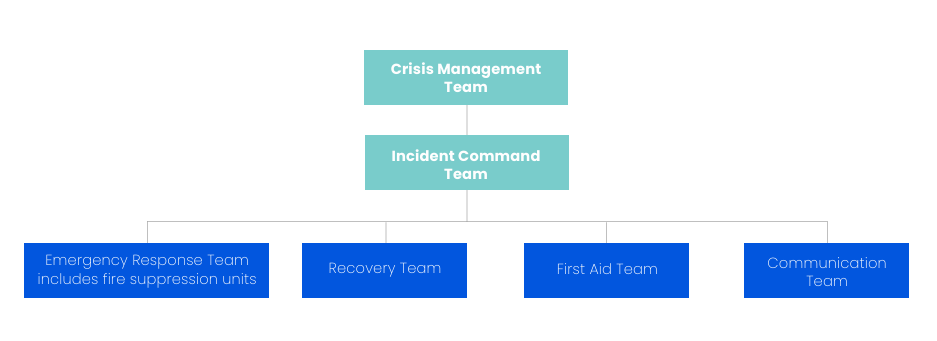
The Company has established guidelines for managing crises and emergency situations that may disrupt business operations, including natural disasters, building collapses due to catastrophic events, and disease outbreaks. These guidelines are documented in the Business Continuity Plan (BCP), which outlines the following management structure:
Quantitative Results/Benefits for the Company and Stakeholders
Indicator | Unit | 2023 | 2024 | 2025 |
Number of Business Code of Conduct Violations or Corruption Cases | Cases | 0 | 0 | 0 |
2) Privacy, Data Security, and Cybersecurity
In the digital age, where technology plays a significant role in daily life, privacy and data security have become critical concerns. Understanding the importance of personal data protection and cybersecurity is essential for businesses. As the Company primarily operates using cloud computing, robust cybersecurity measures are required to mitigate risks associated with rapid technological advancements. Potential threats to data security and cybersecurity include unauthorized access, misuse of user data, and data leaks without consent. To address these risks, the Company has implemented privacy policies, data security controls, access management, and threat response protocols to safeguard its systems.
Targets
Achieve and maintain industry-leading security standards, including obtaining relevant third-party certifications.
Strengthen cybersecurity and data privacy protection to safeguard critical business operations. This includes developing policies and procedures for personal data protection, access rights management, and cyber risk management.
Approach and Management Policies
The Company establishes clear and efficient management approaches by implementing written policies approved by senior management, ensuring a structured and stable management framework. To enhance operational efficiency, the Company has developed effective systems and tools to streamline processes, while also emphasizing continuous employee training to strengthen skills and capabilities. Additionally, regular monitoring and evaluation are conducted to ensure that management strategies remain effective and adaptable to necessary improvements.
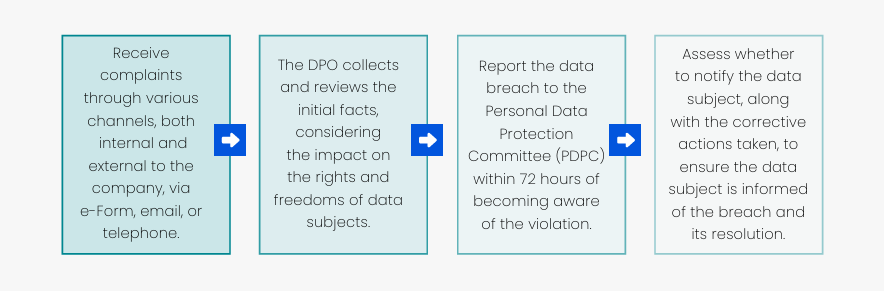
Data Breach and Personal Data Violation Management Process
The Data Protection Officer (DPO) is responsible for implementing and enforcing the organization's data privacy policy, which includes a process for managing data breaches. The steps are as follows:
Performance Results
The Company has established and developed its Information Security Management System (ISMS) in accordance with ISO/IEC 27001:2022 in a systematic manner, covering policies, processes, personnel, and technology. The ISMS scope has been clearly defined, and information security risks have been assessed and managed. Relevant policies and operating procedures have been developed to comply with the standard’s requirements, and appropriate control measures under Annex A have been implemented to reduce and manage risks. In addition, the Company has strengthened its IT security posture, enhanced employees’ knowledge and awareness of information security, carried out internal audits, and conducted regular management reviews. These efforts help build trust among customers, partners, and stakeholders, while supporting sustainable business operations.
Conducted the “Cybersecurity Awareness” training program to enhance employees’ knowledge, understanding, and skills related to cybersecurity. The training covered key cyber threats such as phishing, malware, and ransomware, aiming to equip employees with the ability to protect themselves and the organization from potential harm, reduce the risk of cyberattacks, and foster a strong security culture. Employees were required to meet an assessment threshold of at least 80% to pass the course.
Appointed a Data Protection Officer (DPO) responsible for overseeing the protection of all personal data within the organization, providing guidance, monitoring compliance, and ensuring adherence to personal data protection laws.
rganized the “PDPA Awareness Program 2025” to strengthen employees’ understanding of legal and regulatory requirements related to personal data protection, as well as the Company’s policies and operational guidelines. The training aims to foster an organizational culture that prioritizes personal data protection and information security. All employees were required to attend the training and achieve an assessment score of at least 80% to pass.
Installed and utilized a Next-Generation Firewall to monitor inbound and outbound traffic, detect abnormal activities or potential attacks, and enforce network security policies between servers and clients.
Implemented Zero Trust security practices to enhance the Company’s security standards. The implementation covered account and access management (Identity and Access Management), information protection, network security, endpoint security, and incident management in the event of system or IT failures that could impact business operations.
Quantitative Results/Benefits for the Company and Stakeholders
Having clear policies and practices that are reviewed annually, along with training programs to raise awareness on access to personal data for those involved with the Company and cybersecurity, helps to enhance credibility and increase confidence among stakeholders in the Company’s operations.
Indicator | Unit | 2023 | 2024 | 2025 |
Percentage of IT infrastructure certified for information security standards (e.g., ISO 27001) | Percentage | 100% | 100% | 100% |
Percentage of employees who completed training on cybersecurity and data protection | Percentage | 100% | 100% | 100% |
Number of confirmed cybersecurity incidents | Cases | 0 | 0 | 0 |
Number of confirmed incidents of personal data breaches | Cases | 0 | 0 | 0 |
Number of IT system tests conducted to ensure readiness for emergency scenarios | Tests/year | 1 | 1 | 1 |
Number of IT system failures with significant business impact | Cases | 0 | 0 | 0 |
3) Innovation Development
The Company is committed to developing high-quality products and services that meet international standards to build trust and address customer needs. The focus is on technology development through Application Programming Interfaces (APIs), which improve operational efficiency, reduce costs, and promote the broader digital economy. Additionally, the Company promotes enhancing knowledge and understanding of innovation among corporate clients to maintain the stability of internal business processes.
Targets
The Company will focus on developing software, providing consulting services, and creating solutions that enable businesses to improve operational processes efficiently, reduce waste, and promote the effective use of resources. The goal is to create products and services that support the circular economy and reduce long-term environmental impacts. The Company also aims to create an ecosystem that allows all stakeholders to adapt and respond to future complexities.
Approach and Management Policies
The Company focuses on innovation development by enhancing knowledge within the ecosystem. This is achieved through continuous training and updates on new technologies from partners for both clients and employees. Moreover, the Company adheres to international standards to foster trust in the use of innovation. In addition to building a strong ecosystem, the Company is committed to sourcing IT service providers who prioritize sustainability in developing products and services that promote social development and address environmental challenges. The Company also emphasizes increasing access to technology for all members of society.
Performance Results
In 2025, the Company collaborated with Oracle Corporation and National Telecom Public Company Limited (NT) to provide Oracle Cloud Infrastructure services for the Thai government sector, under a secure, reliable, and internationally compliant cloud environment. This collaboration supports the Government’s Cloud First Policy by enabling government agencies to modernize their digital systems, enhance operational agility, and sustainably adapt to technological changes in the digital era.
TEPCoT Executive Leadership Program Seminar (6 Leading Institutions)
The Company designed and developed an AI-driven event management solution for the TEPCoT Executive Program seminar, organized by the University of the Thai Chamber of Commerce and six leading institutions. The solution improved event management efficiency, streamlined operational processes, and enhanced the participant experience. This reflects the Company’s role as a comprehensive IT solutions provider that empowers organizations to adapt with agility, grow resiliently, and effectively navigate digital transformation.
Reimagine the Future of Infrastructure with Open Ecosystem and Full-Stack Observability
The Company, together with global technology partners Huawei Technologies Co., Ltd. and Elastic N.V., shared strategic insights on the evolution of next-generation digital infrastructure. The discussion emphasized the importance of building an open ecosystem and adopting full-stack observability, enabling organizations to optimize their IT systems, improve infrastructure management efficiency, and make cost-effective technology investments amid rapidly changing business environments.Supporting Smart City Development through Safe City Solutions
The Company played a key role in advancing Smart City initiatives through its Safe City Solution—an intelligent CCTV management platform. This solution enhances public safety operations, data management, and decision-making capabilities for government agencies and local administrative organizations. It supports the development of safer, more livable cities and promotes sustainable digital technology adoption to improve citizens’ quality of life.
Showcasing Red Hat Ansible Automation Platform Capabilities
The Company collaborated with Red Hat, Inc. to present the capabilities of the Red Hat Ansible Automation Platform—an automation solution that enhances IT team efficiency. The platform reduces repetitive manual work, accelerates operational processes, and supports end-to-end infrastructure management—from servers and networks to software updates, cloud integration, and security systems—helping organizations achieve efficient and sustainable technology operations.
Delivering and Securing Applications in the AI Era
The Company partnered with F5, Inc. to deliver insights and best practices on application and API security through a webinar titled “Delivering and Securing Applications in the AI Era.” The session highlighted the application of AI-powered security to address sophisticated cyber threats, enhance detection accuracy, and strengthen security without compromising system performance. The Company provides end-to-end services under the Secure by Design concept, covering assessment, design, development, and centralized API and AI Gateway management—supporting digital trust and enabling organizations to adopt AI safely and sustainably.
Quantitative Results/Benefits for the Company and Stakeholders
The Company has garnered strong interest from numerous partners for collaborative training and innovation updates, enhancing the diversity and scope of its ecosystem. Corporate clients also benefited from innovative updates that meet diverse needs, creating future business opportunities.
Law Violation Incidents
Law Violation Incidents
| Metric | Current Year | Previous Year | Two Years Ago |
|---|---|---|---|
| The total number of cases or incidents of significant violations of laws or regulations regarding social and human rights (Cases) | 0 | 0 | 0 |
| The total number of cases or incidents that cause significant labor disputes (Cases) | 0 | 0 | 0 |
| The total number of cases or complaints related to consumer rights violations (Cases) | 0 | 0 | 0 |
| The total number of cases or complaints related to partner rights violations (Cases) | 0 | 0 | 0 |
| The total number of cases or incidents that cause disputes with the community/society (Cases) | 0 | 0 | 0 |
| The total number of cases or incidents related to cyber security or customer data breaches (Cases) | 0 | 0 | 0 |
| The total number of cases or incidents related to safety and occupational health at work (Cases) | 0 | 0 | 0 |